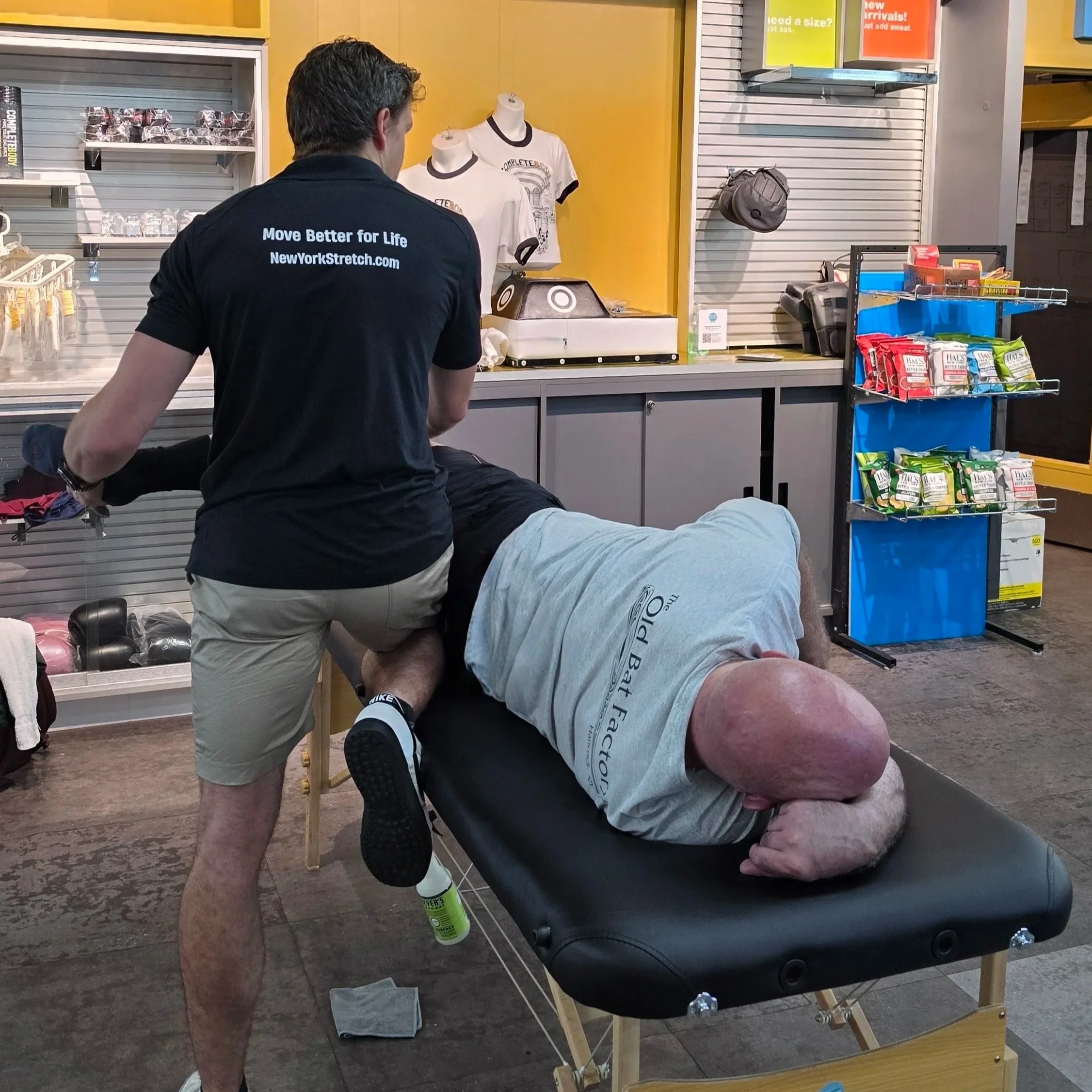
Stretching Isn't Just For Flexibility

 
New York Stretch Specialist

Stretching Does More Than Make You Flexible

Most people book a stretch session for one reason: they want to move better. Touch their toes. Get their hips open again. Stop feeling like their shoulders are glued in place.

Nothing wrong with that! But a growing body of research suggests flexibility is only one of the benefits of stretching. A recent opinion paper published in Sports Medicine by a group of researchers who specialize in stretching, makes the point that stretching and flexibility training are not the same thing, and stretching's effects reach beyond how far a joint can move.
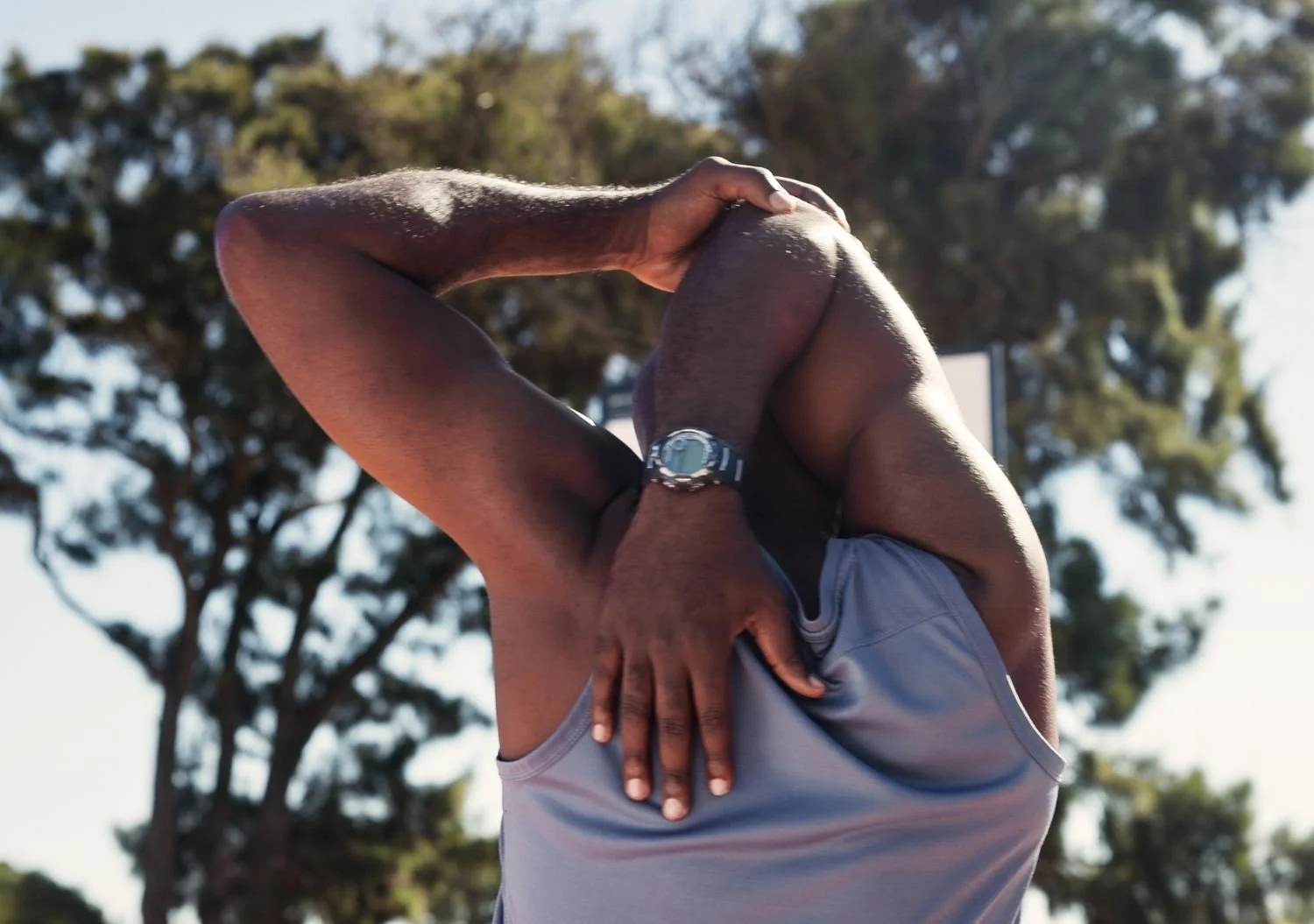
Flexibility Is One Piece, Not the Whole Picture

The researchers point out something practitioners often blur together. Range of motion, the total movement available at a joint, depends on a mix of factors: bone and joint structure, balance, how the nervous system coordinates muscles around a joint, pain tolerance, and soft tissue extensibility. Flexibility refers specifically to that last piece, the ability of soft tissue to lengthen.

Stretching is one way to influence flexibility. Strength training through a full range of motion and foam rolling also influence flexibility. This is exactly why we offer strength training in addition to our stretching services. They enhance each other.

What Else the Research Points To

Research on static stretching and its relationship to arterial stiffness connects consistent stretching practice to measures relevant to cardiovascular health over time.

Strength and muscle growth. Reviews cited in the paper link stretching to gains in muscle strength and hypertrophy, likely through the same mechanical tension that drives adaptation in resistance training. Stretching and strength work may share more physiological overlap than most people assume. If hypertrophy is the goal, strength training will get you there faster, but for people who can't strength train, research suggests that longer, more frequent, higher intensity stretching can still produce a small amount of muscle growth.

Reduced muscle and nerve stiffness. Several studies show that consistent stretching over time can lower stiffness in muscle tissue, and there's early evidence it may affect nerve stiffness as well. This lines up with what clients often describe after a stretching routine: less tension, easier movement, even days after the session.
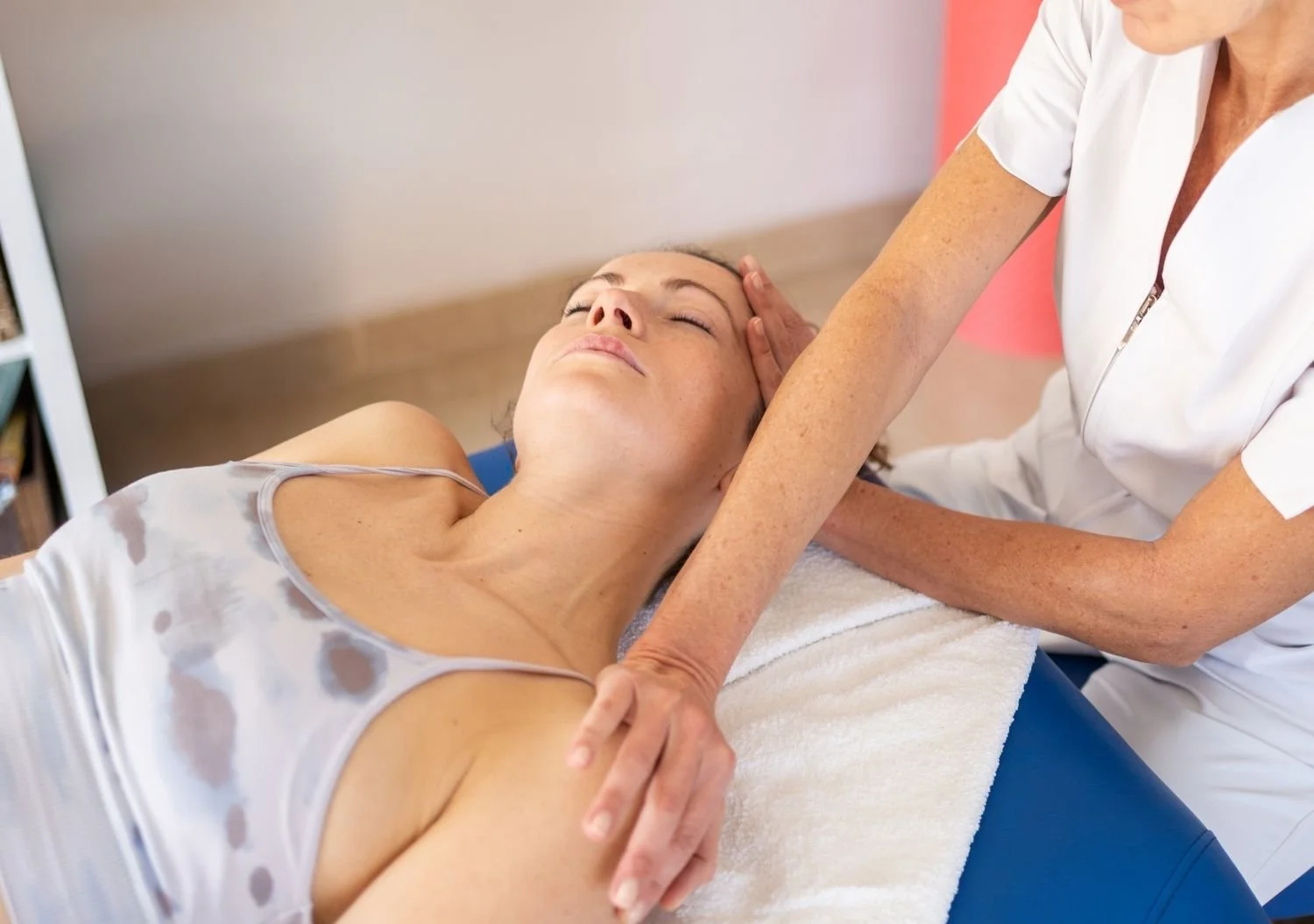
Reduced pain perception. The paper cites research on what's sometimes called stretch-induced hypoalgesia, meaning stretching has been associated with a measurable dip in how much pain people report immediately afterward. This doesn't mean stretching treats an injury or replaces medical care. It means stretching has an effect on perceived pain discomfort.

Why This Matters for How We Work With You

This research is about static stretching broadly, studied across a range of methods and settings. Assisted stretching is one way to apply it: a specialist moves you through stretches that you likely wouldn't reach on your own, on a schedule that makes it easier to stay consistent rather than a solo routine.

A single session will not lower your blood pressure or build muscle overnight. The research does suggest that stretching, done consistently, appears to touch more systems in the body than flexibility alone. That gives people another reason to treat stretching as a regular part of how they move and recover, not just something to do before a workout or after a long day at the desk.

If you've been coming in just for the flexibility, keep at it. The research suggests you're doing a lot more for your nervous system and overall health along the way, too.

Sources referenced: Afonso J, Blazevich AJ, Behm DG, Tilp M, Warneke K. "One of These Things Is Not Like the Others: Disentangling the Concepts of Range of Motion Versus Flexibility, and Flexibility Training Versus Stretching." Sports Medicine, 2026.
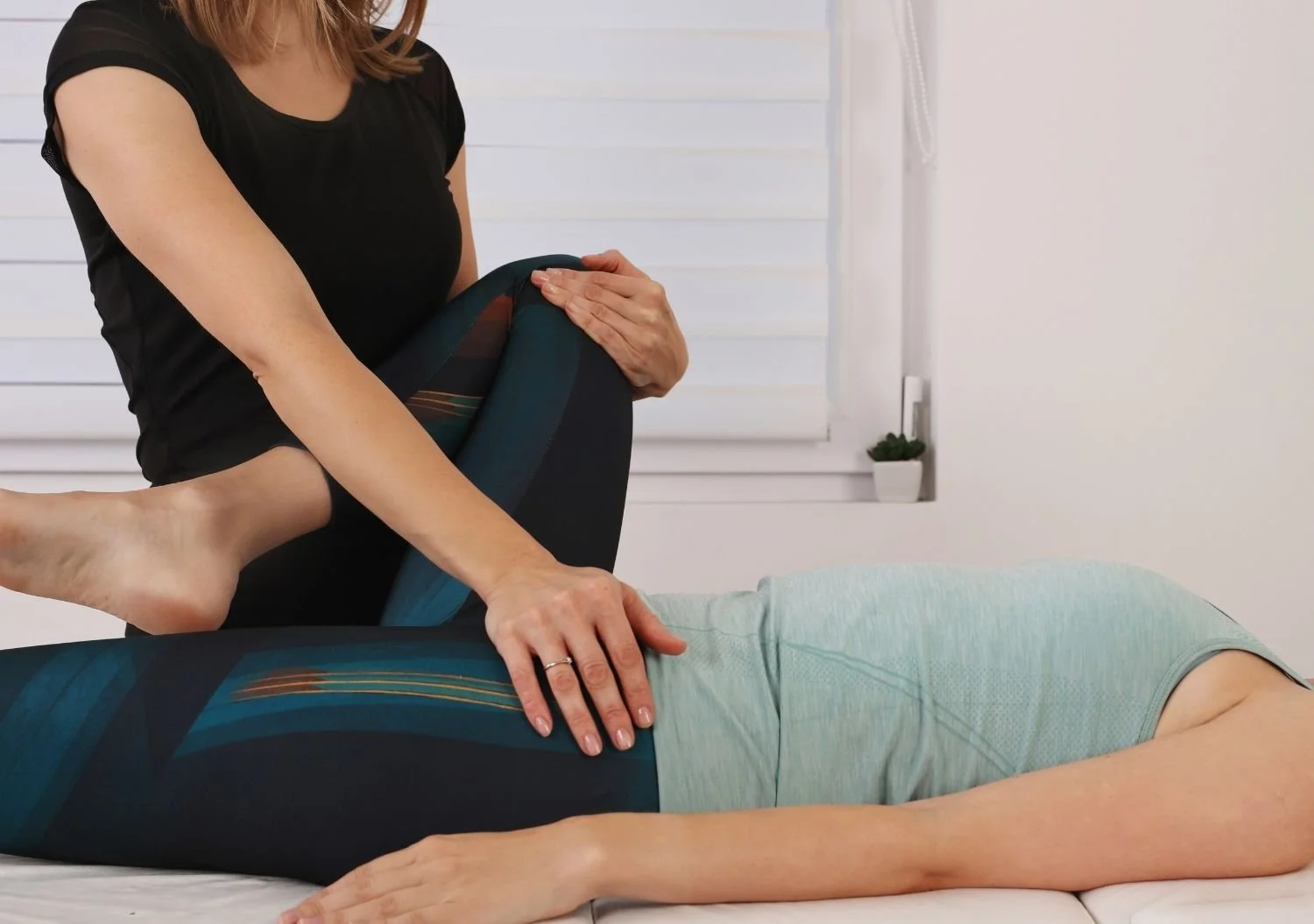


Stretching for Heart Health


Can Stretching Support Your Heart Health? Here's What the Research Says

Most people think of stretching as something you do for tight hamstrings or a stiff neck. Fewer people connect it to their heart. But a small, growing body of research suggests stretching may play a real, if modest, role in cardiovascular health, particularly for people who aren't candidates for or don't tolerate traditional cardio well.

Here's what's known, and what's still being studied.

Cardio still does the most work

Let's start with the obvious: nothing replaces aerobic exercise for arterial health. The American Heart Association recommends about 150 minutes of moderate cardio a week, plus two days of strength training, and that recommendation isn't going anywhere. Stretching is a complement to that work, not a substitute for it.

But stretching appears to be its own category of benefit, not a watered-down version of cardio.

What the research found

The most cited study here is a 2020 meta-analysis in the International Journal of Environmental Research and Public Health, which pooled eight studies and 213 middle-aged and older adults. Regular static stretching, meaning held positions rather than movement-based or PNF stretching, was associated with reductions in arterial stiffness, resting heart rate, and diastolic blood pressure, along with improved vascular endothelial function (a measure of how well blood vessels respond and adapt).

The proposed mechanism involves the nervous system's stress response, known as sympathetic tone. Chronically lower sympathetic tone over time is associated with more adaptable blood vessels and less pressure on the arteries. An intense stretch can temporarily raise sympathetic activity while you're in it. In this case, the benefit shows up after the intense stretch.

The dose in most of these studies was modest: around 30 to 40 minutes of stretching per week.

One distinction worth naming clearly: this research measured static stretching as a category, meaning held positions, however they're performed. The studies didn't isolate assisted, practitioner-led stretching as its own variable. What assisted sessions add isn't a different mechanism than what was studied, it's a way to actually get the dose in. Reaching a genuine end-range hold, especially in areas like the hips and thoracic spine, is hard to do consistently on your own. A specialist gets you there and helps you stay consistent enough for the cumulative effect to matter.

Who this matters most for

The research points to a specific group: older adults, people who are sedentary, and those with hypertension or mobility limitations, groups for whom traditional cardio can be harder to access or sustain. For people already meeting cardio guidelines, stretching is additive. For people who aren't, it may be a meaningful and accessible starting point.

This field is still young. The anchor meta-analysis included just over 200 people across eight studies. The effects are real but modest, and the research base needs to grow before this sits alongside decades of aerobic exercise data.

Where to start

Two sets of 30-second holds per muscle group can create a short-term change in range of motion. For lasting change, daily sessions of 2 to 3 sets, 30 seconds to 2 minutes per muscle group, held over time, is what the research on flexibility gains supports.

Mobility is trainable, the same way strength and endurance are. It responds to consistency, not only to how hard you push on any single day.

Note on Safety:

Anyone with uncontrolled hypertension, a recent cardiac event, or a connective tissue disorder should get medical clearance before starting a new stretching or exercise routine.


Assisted Stretching vs Massage: What’s the Difference?

Clients ask us this almost every week.

Is assisted stretching basically the same as massage? Both feel good. Both ease tension. Both leave you walking out lighter than you walked in.

But they work on the body in different ways, and knowing the difference helps you choose what your body actually needs.

How Massage Works

Massage is hands-on tissue work. A therapist uses pressure, with olis or creams on bare skin, kneading, and gliding strokes to release tight muscles and calm the nervous system.

It's effective for:

  • General muscle tightness

  • Stress and physical fatigue

  • Tender spots and knots

Massage can also improve flexibility, since relaxed muscles tend to move more freely. But mobility is a side effect of massage, not the main goal.

How Assisted Stretching Works

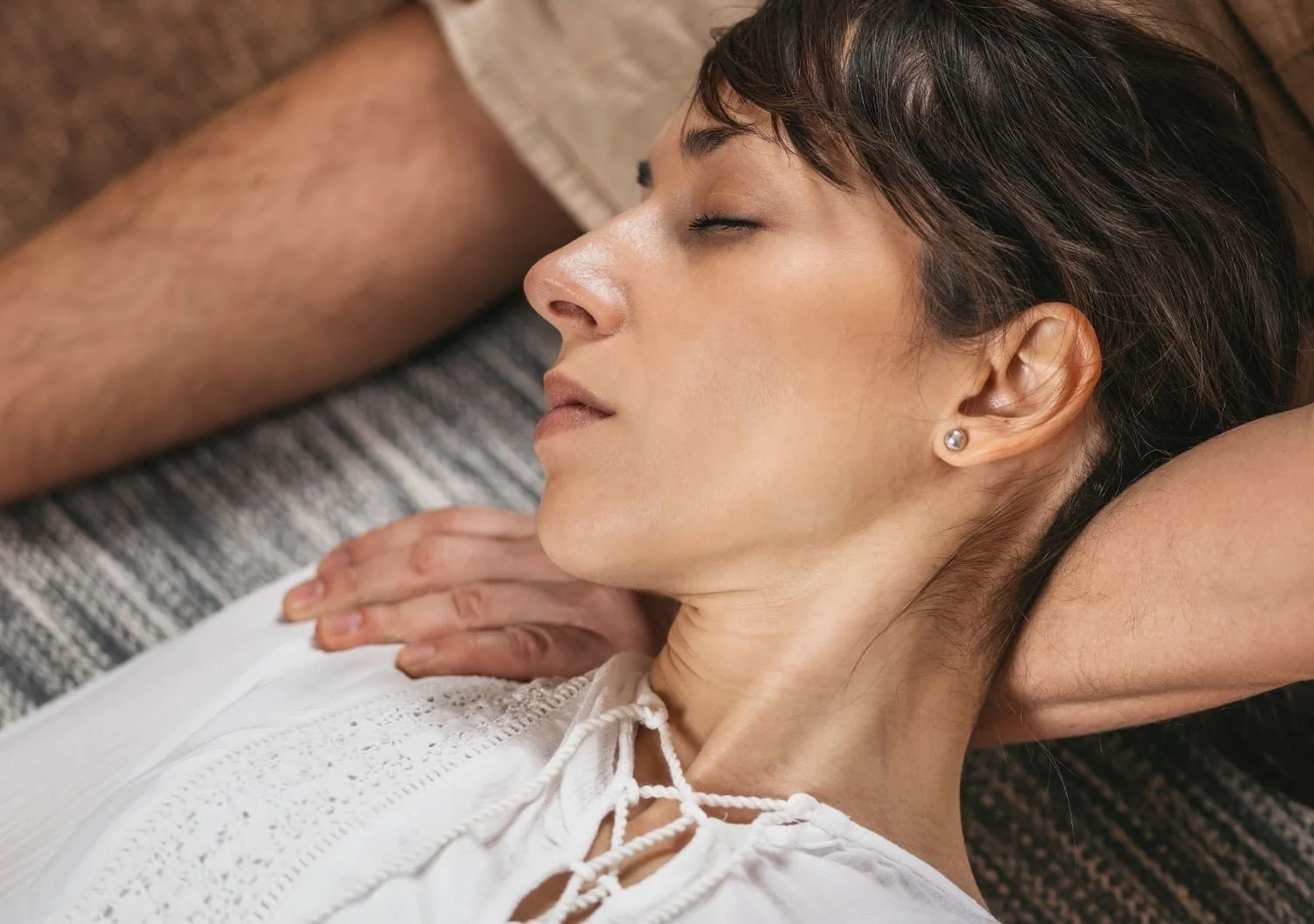
Assisted stretching is movement work. At New York Stretch, you wear comfortable clothing and lie on a massage table while a trained specialist guides your body through a series of controlled stretches, targeting the hips, hamstrings, lower back, shoulders, and spine. There may be some stretches on your back on your side or face down.

Most of the session is passive. Your specialist moves your body through a series of stretches and movements, and you don't have to do anything except let it happen. That's often the right approach for recovery, when the goal is to ease tension and restore movement after training or a long week.

When the goal is building new range of motion, we may apply PNF or resistance stretching techniques, where you actively contract or push against the stretch, since that active component is part of what helps the body access range it can't yet reach passively.

We're not applying direct pressure to a muscle the way a massage therapist does. But moving a joint through a deeper range moves the muscles and fascia around it.

Part of what makes this effective isn't longer muscles. It's training your nervous system to tolerate a deeper stretch without resistance or discomfort. Over time, that builds real, usable range of motion.

Clients often say they leave feeling:

  • Lighter and more open through the hips and back, neck and shoulders

  • Easier to move during workouts

  • Less stiff after long days at a desk

The Key Difference

Massage works on the muscle directly. Assisted stretching works on the joint and its range of motion, and the muscle and fascia come along for the ride.

Both can improve flexibility. The difference is focus and method: massage applies pressure to impact tissue, and range of motion benefits as a result. Assisted stretching moves the joint through range directly, with the tissue effects as a byproduct.

What to Do With Your New Range of Motion

Opening up range of motion is only half the equation. The other half is teaching your body to actually use it.

We recommend pairing assisted stretching with strength training. Stretching gives your joints access to a deeper range. Strength training, especially through that new range, teaches your nervous system to trust it and your muscles to control it. Without that follow-up, new range of motion can fade back to where it started.

Stretching, strength training, and massage can all support each other. Stretching and massage can relieve tension and increase range of motion. Strength training makes that range usable.

Can You Do Both?

Yes, and many clients do. Massage loosens tight muscles. Assisted stretching helps your body access a deeper range of motion. Used together, and paired with strength training, they reinforce each other.

What a Session at New York Stretch Feels Like

Sessions take place on a comfortable massage table (wearing comfortable clothes) in our studio near Grand Central. Your specialist builds a sequence around how your body is moving that day, so no two sessions are identical.

It's relaxing, but it's also active. We move your body through ranges of motion you probably don't reach in a normal day. Most clients leave feeling more mobile right away, and many tell us that feeling holds up better over the following days than it does after a massage.

Which One Is Right for You?

Massage may be the better fit if you want:

  • Direct pressure on tight or tender muscles

  • Relief from general tension

  • Help with specific sore spots

Assisted stretching may be the better fit if you notice:

  • Stiffness that keeps coming back

  • Limited range in your hips, hamstrings, or shoulders

  • That you move a lot, but don't move well

Some clients come in braced for the kind of aggressive, rushed stretch a trainer might do for ten minutes after a workout. What they get instead is a full session focused on range of motion, done in a way that's controlled and comfortable. That difference usually becomes clear after one session. And if your goal is long-term mobility, not just short-term relief, pairing either one with strength training can help make the gains stick.

Curious which approach fits your body? Book a session at New York Stretch, near Grand Central.