
Can Stretching Support Your Heart Health? Here's What the Research Says
Most people think of stretching as something you do for tight hamstrings or a stiff neck. Fewer people connect it to their heart. But a small, growing body of research suggests stretching may play a real, if modest, role in cardiovascular health, particularly for people who aren't candidates for or don't tolerate traditional cardio well.
Here's what's known, and what's still being studied.
Cardio still does the most work
Let's start with the obvious: nothing replaces aerobic exercise for arterial health. The American Heart Association recommends about 150 minutes of moderate cardio a week, plus two days of strength training, and that recommendation isn't going anywhere. Stretching is a complement to that work, not a substitute for it.
But stretching appears to be its own category of benefit, not a watered-down version of cardio.
What the research found

The most cited study here is a 2020 meta-analysis in the International Journal of Environmental Research and Public Health, which pooled eight studies and 213 middle-aged and older adults. Regular static stretching, meaning held positions rather than movement-based or PNF stretching, was associated with reductions in arterial stiffness, resting heart rate, and diastolic blood pressure, along with improved vascular endothelial function (a measure of how well blood vessels respond and adapt).
The proposed mechanism involves the nervous system's stress response, known as sympathetic tone. Chronically lower sympathetic tone over time is associated with more adaptable blood vessels and less pressure on the arteries. An intense stretch can temporarily raise sympathetic activity while you're in it. In this case, the benefit shows up after the intense stretch.
The dose in most of these studies was modest: around 30 to 40 minutes of stretching per week.
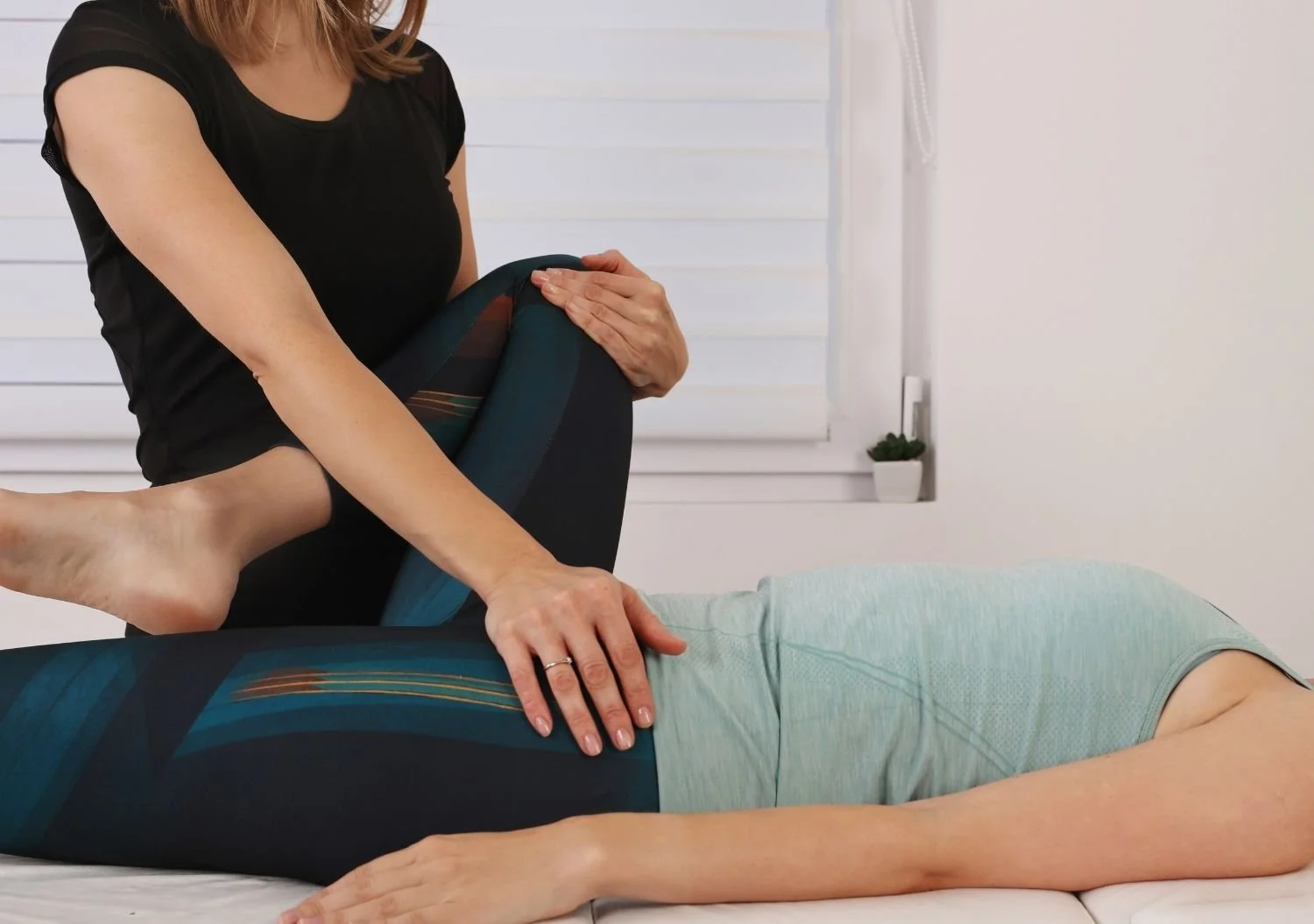
One distinction worth naming clearly: this research measured static stretching as a category, meaning held positions, however they're performed. The studies didn't isolate assisted, practitioner-led stretching as its own variable. What assisted sessions add isn't a different mechanism than what was studied, it's a way to actually get the dose in. Reaching a genuine end-range hold, especially in areas like the hips and thoracic spine, is hard to do consistently on your own. A specialist gets you there and helps you stay consistent enough for the cumulative effect to matter.
Who this matters most for

The research points to a specific group: older adults, people who are sedentary, and those with hypertension or mobility limitations, groups for whom traditional cardio can be harder to access or sustain. For people already meeting cardio guidelines, stretching is additive. For people who aren't, it may be a meaningful and accessible starting point.
This field is still young. The anchor meta-analysis included just over 200 people across eight studies. The effects are real but modest, and the research base needs to grow before this sits alongside decades of aerobic exercise data.
Where to start
Two sets of 30-second holds per muscle group can create a short-term change in range of motion. For lasting change, daily sessions of 2 to 3 sets, 30 seconds to 2 minutes per muscle group, held over time, is what the research on flexibility gains supports.
Mobility is trainable, the same way strength and endurance are. It responds to consistency, not only to how hard you push on any single day.
Note on Safety:
Anyone with uncontrolled hypertension, a recent cardiac event, or a connective tissue disorder should get medical clearance before starting a new stretching or exercise routine.